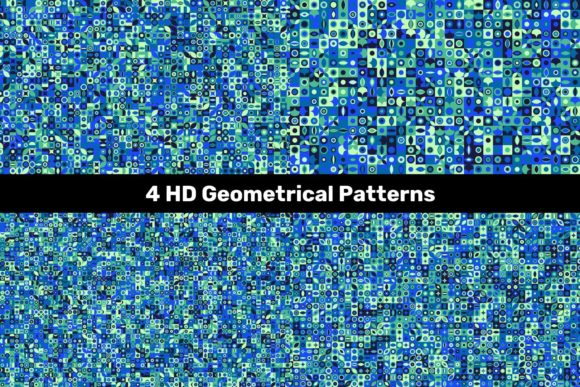
4 Geometrical Patterns in Blue and Green: High-Resolution Design Assets for Modern Creatives
Blue and green aren’t just calming colors—they’re strategic design choices. When paired with clean, precise geometry, they become powerful visual tools for branding, digital interfaces, print collateral, and environmental graphics. The 4 Geometrical Patterns in Blue and Green package delivers exactly that: a tightly curated set of four distinct, harmonious patterns—each available in ultra-high-resolution JPG (8000×4500), editable vector EPS, and native Adobe Illustrator (.AI) formats. This isn’t filler content or generic stock—it’s purpose-built geometry designed to perform.
Why Geometry + Blue + Green Still Resonates in 2024
Design trends come and go, but the psychological and functional weight of blue and green remains consistent. Blue conveys trust, stability, and clarity—think fintech dashboards, healthcare platforms, and corporate reports. Green adds balance, growth, and grounded energy—ideal for sustainability brands, wellness apps, education materials, and eco-conscious packaging. Together, they form a palette that feels both professional and approachable.
Geometry sharpens that message. Sharp angles, repeating tessellations, radial symmetry, and modular grids introduce structure without rigidity. Unlike organic or hand-drawn patterns, these geometrical forms scale flawlessly, align predictably, and integrate cleanly into layouts—whether you’re building a responsive website background, designing a textile repeat, or preparing a large-format exhibition wall.
What’s Inside the Package—and Why Format Variety Matters
The 4 Geometrical Patterns in Blue and Green collection includes:
- 4 high-resolution JPG files (8000×4500 pixels): Perfect for immediate use in presentations, mockups, social media banners, or as layered backgrounds in Photoshop and Figma. At this resolution, they hold up even when cropped, zoomed, or printed at poster size.
- 4 vector EPS files: Universally compatible across design software—including older versions of Illustrator, CorelDRAW, and Affinity Designer. Ideal for print production where color accuracy and scalability are non-negotiable.
- 4 native .AI files: Fully editable layers, grouped objects, and unexpanded paths. Adjust stroke weights, recolor swatches, isolate elements, or repurpose individual motifs—without losing fidelity.
This multi-format approach reflects real-world workflow needs. A UI designer might drop the JPG directly into a Figma prototype for quick visual feedback. A branding agency may open the .AI file to tweak a pattern’s spacing before exporting it as a seamless tile for stationery. A packaging team could import the EPS into ArtPro+ for precise spot-color separation. You’re not locked into one tool or output path—you’re empowered to move fluidly between them.
Pattern Diversity That Serves Real Projects
Each of the 4 Geometrical Patterns in Blue and Green offers a different rhythm and function:
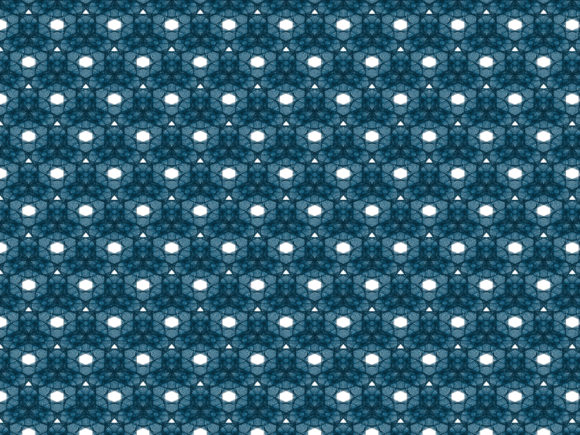
- Interlocking Hex Grid: A subtle, honeycomb-inspired layout with soft gradient transitions between teal and navy. Works exceptionally well as a low-contrast background for text-heavy landing pages or annual report spreads.
- Asymmetrical Line Fractal: Angular, rhythmic lines that echo circuitry or data flow. Great for tech startups launching a new dashboard—or any brand wanting to signal innovation without resorting to clichéd “digital” icons.
- Concentric Diamond Lattice: Precise, centered repetition with alternating opacity zones. Highly effective in architectural renderings, exhibition booth backdrops, or luxury product packaging where elegance and order matter.
- Modular Triangular Tessellation: A dynamic, forward-leaning pattern built from layered isosceles triangles. Adds movement to apparel prints, app onboarding screens, or presentation decks needing visual momentum.
No two patterns compete. They complement—offering stylistic range while maintaining chromatic cohesion. That means you can use one for your website header, another for email newsletter dividers, and a third as a subtle texture overlay in a video intro—all under the same brand umbrella.
How Designers Are Using These Patterns Right Now
In practice, the 4 Geometrical Patterns in Blue and Green are showing up in unexpected places:
- A climate-tech startup used the Modular Triangular Tessellation as an animated SVG background on their investor pitch deck—scaling smoothly across 4K projectors and iPad handouts.
- An interior design firm applied the Concentric Diamond Lattice as a custom wallpaper motif for a wellness clinic renovation—printing it seamlessly across 12-foot walls using the vector EPS for perfect registration.
- A university communications team dropped the Interlocking Hex Grid into Canva as a branded slide template background—reducing design time by 70% while keeping all presentations visually unified.
- A mobile health app integrated the Asymmetrical Line Fractal as a subtle loading animation—converted to Lottie format from the original .AI file, ensuring crisp rendering on every device.
These aren’t edge cases. They reflect how today’s creatives value assets that bridge speed and sophistication—tools that accelerate execution *without* sacrificing control or quality.
What to Consider Before You Use Them
Even premium assets require thoughtful application. Here’s what experienced designers keep in mind:
- Contrast matters: Blue-on-green or green-on-blue can reduce legibility if values are too close. Test text overlays at actual size—especially for accessibility compliance (WCAG AA/AAA).
- Tiling behavior: While all four patterns are built for seamless repeats, always preview at 150–200% zoom in your layout software to catch subtle alignment hiccups—particularly with diagonal or rotated elements.
- Color mode context: The JPGs are RGB-optimized; for offset printing, convert the EPS or AI files to CMYK and adjust blues/greens using Pantone references if brand guidelines require exact matches.
- Licensing scope: This package permits commercial use across client work, merchandise, and digital products—but does not include extended rights for resale as standalone pattern packs or templates. Always verify usage terms before bundling into SaaS platforms or marketplaces.
Beyond Decoration: When Geometry Becomes Functional
The strongest patterns don’t just look good—they support hierarchy, guide attention, and reinforce messaging. A well-placed geometric motif can:
- Anchor a section break in a long-scroll webpage—using the Concentric Diamond Lattice as a full-width divider that subtly signals a topic shift.
- Create visual rhythm in infographics—where the Asymmetrical Line Fractal acts as a border or frame, reinforcing data flow directionality.
- Add tactile depth to flat UI components—applying the Interlocking Hex Grid as a subtle overlay on cards or buttons to imply interactivity.
- Unify disparate visual assets—using the Modular Triangular Tessellation as a recurring motif across email headers, social avatars, and printed business cards.
That’s the quiet power of the 4 Geometrical Patterns in Blue and Green: they’re not decorative afterthoughts. They’re structural elements—designed to do work.
Final Thought: Quality Geometry Is an Investment, Not an Expense
Downloading free patterns often leads to compromises—low DPI, inconsistent spacing, limited color control, or unclear licensing. With the 4 Geometrical Patterns in Blue and Green, you get precision-engineered assets backed by professional production standards. You get flexibility without fragmentation. You get calm, confident color paired with intelligent structure.
Whether you’re refreshing a brand system, building a design system library, or finishing a high-stakes client deliverable—these four patterns offer more than visual appeal. They offer reliability. And in fast-moving creative workflows, reliability is the most valuable feature of all.