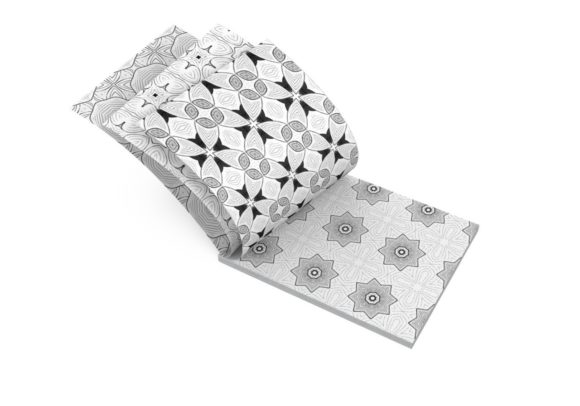
Floral Geometric Seamless Patterns C 28
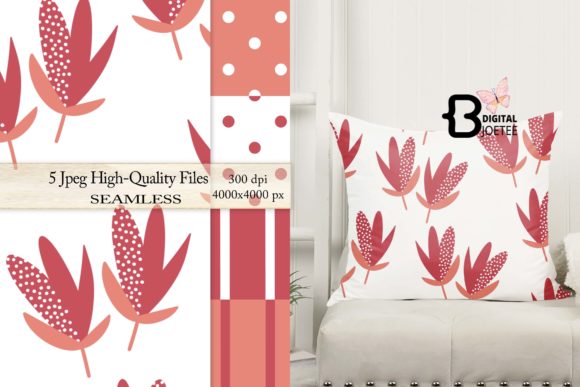
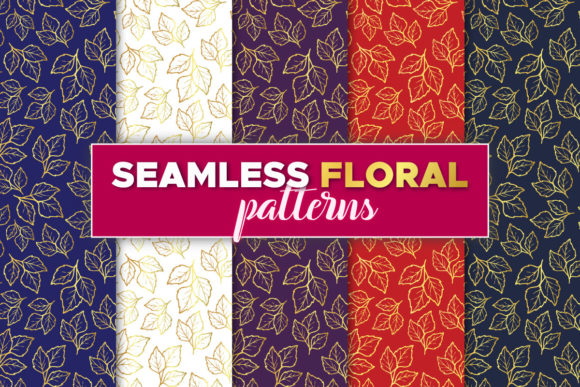
If you’ve ever spent 20 minutes scrolling through pattern libraries trying to find something that feels fresh but not fussy—elegant but not stiff, floral but not cliché—you’ll recognize Floral Geometric Seamless Patterns C 28 right away. This isn’t another generic repeat of roses or predictable mandalas. It’s a thoughtfully composed set where botanical shapes—petals, stems, buds—are distilled into clean geometric forms and arranged in seamless, tileable layouts. The result? A subtle fusion: nature’s softness meets structure’s clarity. And because it’s designed digitally from scratch (not repurposed or overused), it holds up whether you’re printing on fabric, laying it behind blog text, or using it as the base layer for a coloring page.
Where These Patterns Actually Fit Into Real Work
Designers don’t just “use patterns”—they solve problems with them. Floral Geometric Seamless Patterns C 28 works where visual cohesion matters but personality shouldn’t get lost: think planner covers that feel intentional, not decorative; digital notebooks that invite focus instead of distraction; or printable classroom handouts that quietly elevate student engagement.
A freelance educator in Portland uses one of the lighter variants as a background for weekly reflection sheets—soft enough not to compete with handwritten notes, structured enough to subtly guide the eye across the page. A small-batch stationery maker in Nashville prints the bolder, higher-contrast version onto kraft paper for limited-edition journal covers—no extra illustration needed, just texture, tone, and quiet sophistication. And a wellness blogger in Austin layers a semi-transparent version behind her newsletter headers, giving depth without sacrificing readability.
Everyday Uses You Might Not Expect
- Print-on-demand planners and bullet journals: Because these patterns tile perfectly, they scale cleanly from A5 inserts to full-size desk planners—no awkward repeats or blurry edges at the seam.
- Digital coloring pages for adults and kids: The balance of floral detail and geometric clarity makes outlines easy to trace, color, and scan—ideal for therapists, teachers, or parents building calm-down kits.
- Branded merchandise for service-based businesses: A yoga studio owner used a muted sage-and-cream variant on reusable tote bags and class handouts—soft enough to reflect her brand voice, distinctive enough to stand out at local markets.
- Educational printables: Teachers use the patterns as subtle borders on vocabulary cards or science worksheets—adding visual rhythm without overwhelming young readers or neurodivergent learners.
Why “Seamless” Isn’t Just a Buzzword Here
Not all seamless patterns behave the same way in real files. Some tile cleanly on screen but break apart when scaled for large-format printing. Others look fine at 72 dpi but pixelate when exported at 300 dpi for fabric or book interiors. Floral Geometric Seamless Patterns C 28 was built vector-first and tested across common export scenarios: Illustrator artboards, Canva templates, Procreate canvases, and PDF print prep. That means if you’re designing a 120-page planner in InDesign, dropping the pattern into a Photoshop mockup, or uploading it to Printful for custom notebooks—you won’t hit unexpected gaps, misalignments, or resolution drops.
This reliability matters most when time is tight. Imagine prepping for a craft fair deadline and realizing your journal cover design doesn’t line up across spreads. Or sending a client a branded PDF report only to see faint seams between tiles. With Floral Geometric Seamless Patterns C 28, that friction disappears—not by magic, but by deliberate technical execution.
What to Consider Before You Use It
Even beautiful tools need context. Ask yourself:
- What’s your contrast need? Some variants lean light-on-light (great for subtle texture), while others use stronger tonal shifts (better for overlays or foreground elements). Preview how your chosen pattern behaves against your main text color or photo layer before committing.
- Is this for screen or print—or both? If you’re building a digital planner for iPad users, prioritize versions with slightly more definition in fine lines. For fabric or greeting cards, go for patterns with generous negative space—they translate more forgivingly to dye-sublimation or letterpress.
- Who’s seeing it—and for how long? A busy parent scanning a printable chore chart needs immediate clarity. A boutique customer browsing a notebook online responds to mood first. Match the pattern’s energy to its audience’s intent.
Realistic Benefits, Not Just Features
You’ll notice people aren’t buying “geometric floral patterns.” They’re buying time saved on layout decisions, confidence that their branding feels cohesive across formats, or a way to make learning materials feel less clinical. One homeschooling parent told us she switched from clipart-heavy worksheets to using Floral Geometric Seamless Patterns C 28 as gentle borders—her 8-year-old now asks to do “the pretty page” first. A therapist uses the coloring-page-ready variants during session wrap-ups; clients consistently say the combination of organic shape and clear line helps them transition out of intense conversations with less mental static.
It’s also practical for creators who juggle multiple roles. A wedding photographer uses the patterns as subtle backdrops for digital galleries—elegant enough for luxury clients, versatile enough to adapt across social posts, email headers, and printed thank-you cards. No need to commission custom illustrations or license expensive stock. Just open, place, adjust opacity, and go.
Not Just Another Pretty Pattern Set
What makes Floral Geometric Seamless Patterns C 28 different isn’t just the aesthetic—it’s how little overhead it adds to your process. You don’t need advanced design skills to use it well. You don’t need to tweak alignment or fix tiling errors. You don’t need to worry about licensing surprises or attribution requirements. It’s built for doing, not debating.
Whether you’re sketching lesson plans at midnight, finalizing a client’s brand kit before lunch, or designing your first self-published coloring book—you want tools that support your thinking, not interrupt it. That’s where this collection earns its place: not as decoration, but as quiet infrastructure for better work.