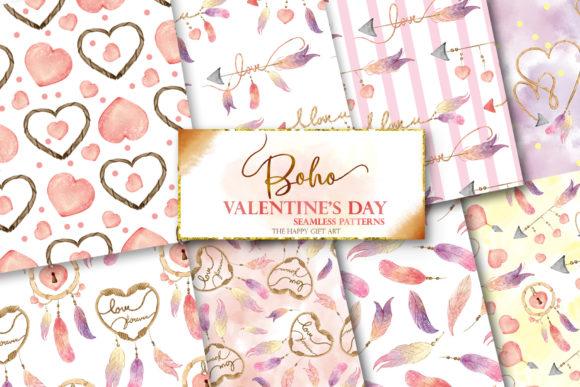
Boho Valentine’s Seamless Patterns
Boho Valentine’s Seamless Patterns blend the free-spirited texture of bohemian design with the warmth and intention of Valentine’s Day—without cliché or clutter. These aren’t just hearts and cupids wrapped in lace; they’re thoughtfully composed, repeatable motifs built for real-world use: subtle enough for professional branding, rich enough for handmade goods, and versatile enough to adapt across digital and print formats.
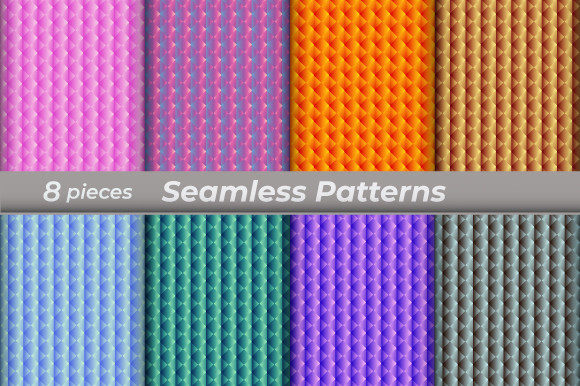
Each set includes eight high-resolution JPEG files (300 dpi, approximately 6″×6″), delivered in a single ZIP archive. That means no layers, no software lock-in—just clean, ready-to-use patterns you can drop into Canva, Adobe Photoshop, Illustrator, Procreate, or even Microsoft Word and PowerPoint. Because they’re seamless, they tile infinitely without visible edges—ideal for backgrounds, fabric mockups, packaging, web headers, or social media templates.
Creative Possibilities That Go Beyond the Obvious
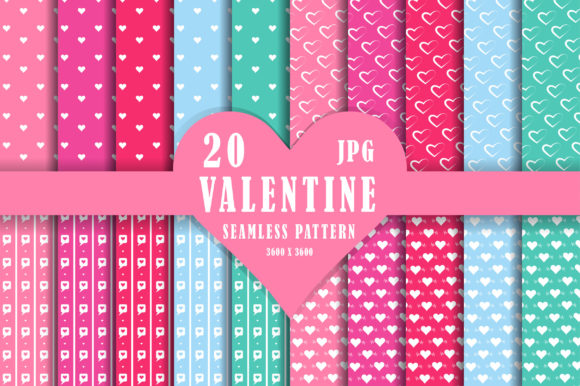
Start with what the pattern does—not just what it looks like. Boho Valentine’s Seamless Patterns feature hand-drawn hearts, delicate arrows, soft florals, and organic line work—all arranged with intentional negative space and rhythmic repetition. That structure invites reinterpretation:
- For product designers: Use one pattern as a subtle lining inside greeting cards or gift boxes—print on kraft paper or textured cardstock to amplify the tactile, artisanal feel.
- For educators and workshop leaders: Print patterns on sticker paper and cut them into themed labels for classroom valentines, student reward charts, or curriculum-themed bulletin boards.
- For bloggers and content creators: Overlay a light-opacity version onto blog post headers or Pinterest pins—pair with neutral typography to keep focus on your message, not the motif.
- For small business owners: Apply a pattern to the background of an email newsletter signup banner or limited-time offer slide—soften with a 10–15% opacity to avoid visual competition with text.
The key is restraint. Boho aesthetics thrive on layered simplicity—not density. Try using only one pattern per project, then build contrast through color, scale, or material rather than stacking motifs.
Adapting Across Audiences and Platforms
A pattern that works for a wedding planner’s Instagram story won’t necessarily serve a yoga studio’s printable self-love journal—but Boho Valentine’s Seamless Patterns are flexible enough to bridge both, with minimal adjustment.
Consider these realistic adaptations:
- For wellness brands: Shift the palette digitally—desaturate reds to dusty rose, boost sage or terracotta tones, and pair with sans-serif type. The heart-and-arrow motif becomes a symbol of inner alignment, not romance alone.
- For educators targeting elementary students: Isolate a single heart or arrow from the pattern using selection tools, enlarge it, and convert it into a clipart-style element for worksheets or classroom posters.
- For e-commerce sellers: Upload the pattern directly into platforms like Etsy or Shopify as a “digital background” option for product mockups—especially effective for mugs, tote bags, or ceramic coasters.
- For freelancers building client decks: Use one pattern as a consistent header background across all slides in a pitch presentation—reinforces brand cohesion without needing custom illustration.
Remember: consistency doesn’t mean repetition. You might use the same pattern file three ways—a full-bleed background in one context, a cropped 2″ swatch as a watermark in another, and a monochrome version as a border element elsewhere. That kind of intentional reuse builds recognition while keeping each application fresh.
Practical Tips for Clear, Effective Results
Because these patterns are JPEGs—not vector files or layered PSDs—clarity starts with how you use them. Here’s what works:
- Always preview at actual size. Zoom out to 100% before finalizing placement. What reads as delicate at 25% zoom may disappear entirely on mobile or small-format prints.
- Test color fidelity early. As noted in the product details, monitors render color differently. If you’re printing professionally, request a physical proof—or sample-print one pattern on your intended paper stock before committing to bulk runs.
- Respect the repeat unit. Though seamless, each 6″×6″ tile has a natural rhythm. Avoid cropping mid-motif unless intentional—align edges to maintain visual flow across large surfaces like banners or wall decals.
- Pair with legible type. Boho patterns carry texture and movement. Balance them with clean, moderately weighted fonts (e.g., Montserrat, Lora, or Inter) and generous line spacing—never let the background compete with readability.
If you’re designing for accessibility—especially in education or public-facing materials—avoid placing light-colored text directly over busy areas of the pattern. Instead, add a semi-transparent overlay (15–20% black or white) behind text blocks, or use the pattern only in non-critical layout zones (sidebars, footers, dividers).
Why This Set Stands Out for Real Work
Many Valentine’s design resources fall into two categories: overly literal (hearts-only, cartoonish) or too abstract (minimalist to the point of anonymity). Boho Valentine’s Seamless Patterns occupy a practical middle ground—recognizable in theme, refined in execution, and built for iteration.
They support creative confidence—not just decoration. When you know a pattern is technically sound (seamless, high-res, consistently sized), you spend less time troubleshooting and more time connecting ideas to audience needs. A teacher can focus on lesson flow instead of background alignment. A small-batch maker can prototype packaging faster. A marketer can test seasonal visuals without waiting for custom assets.
And because the set includes eight distinct variations—not just recolored duplicates—you can match tone to purpose: a looser, sketchier pattern for playful projects; a tighter, more structured repeat for polished branding; a floral-forward version for gift wrap; a line-only variant for embroidery or laser-cut stencils.
No special software is required. No subscription. No attribution needed. Just a ZIP file, a goal, and room to apply it with intention.