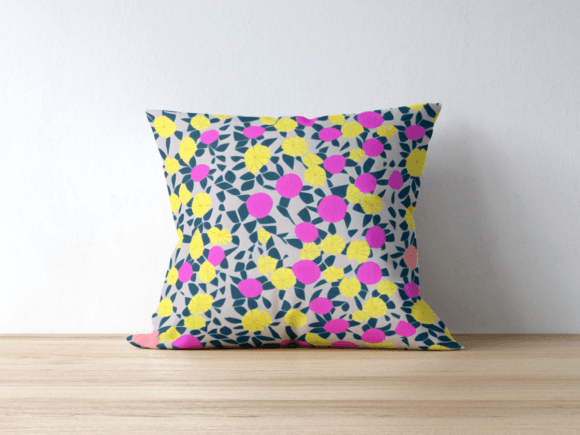
Doodle Patterns Pillow: Creative & Versatile Designs
Imagine a pillow design that doesn’t just sit on your couch—it invites touch, sparks curiosity, and doubles as a canvas. That’s the quiet magic of Doodle Patterns Pillow: not a physical object, but a visual language built from hand-drawn lines, playful loops, organic shapes, and rhythmic repetition. These aren’t rigid geometric repeats—they’re expressive, approachable, and full of breathing room. Think of them as sketchbook energy translated into scalable, adaptable motifs—ready for coloring, layering, or direct application across media.
Why “Doodle Pattern” Is More Than Just a Style
A doodle pattern is intentional spontaneity. It balances looseness with structure—curves that vary just enough to feel human, spacing that guides the eye without dictating it, and negative space that lets color (or texture) do part of the work. Unlike tightly rendered illustrations or photorealistic prints, doodle patterns thrive in versatility. Their simplicity makes them forgiving to scale, easy to recolor, and intuitive to adapt—even if you’ve never opened design software.
For Beginners: Low Pressure, High Play
If you're new to digital design or surface pattern creation, Doodle Patterns Pillow lowers the entry barrier. You don’t need perfect pen control or years of training—just a willingness to trace, tweak, or rearrange elements. Try printing a black-and-white version and coloring it by hand first. That tactile step builds confidence before moving to apps like Procreate or Illustrator. Many beginners use these patterns to practice color theory: testing warm vs. cool palettes, learning how contrast affects legibility on fabric or ceramic, or seeing how saturation shifts mood on a mug versus a poster.
For Educators & Students: Teaching Through Pattern
In classrooms or workshops, Doodle Patterns Pillow serves as a flexible teaching tool. A middle-school art teacher might project a base pattern and ask students to reinterpret one motif—replacing a leaf with a gear, or turning a spiral into a constellation. In design foundations courses, instructors use these patterns to demonstrate rhythm, repetition, and hierarchy without overwhelming complexity. The coloring arrangement isn’t decorative fluff; it’s scaffolding. Assigning specific color zones helps learners grasp value relationships before tackling gradients or transparency.
For Freelancers & Small Business Owners
Time matters—and so does consistency. A freelance surface designer building a client’s brand toolkit can drop a Doodle Patterns Pillow motif into multiple file formats (SVG, PNG, EPS) and instantly generate variations: monochrome for embroidery files, duotone for screen-printed tote bags, or full-color versions for Shopify product mockups. Because the line work stays clean at any size, there’s less back-and-forth with printers or production partners. One small business owner told us she used a single doodle pattern to unify her stationery, Instagram story templates, and wall decals—cutting design time in half while keeping her aesthetic cohesive.
For Marketers & Content Creators
Visual consistency builds recognition. A blogger covering mindful living might use soft-lined doodle patterns as subtle background textures in Canva social posts—never competing with text, always reinforcing tone. A podcast host launching merch could license a custom doodle motif and apply it across limited-run stickers, enamel pins, and notebook covers. The key? Prioritize flexibility over flashiness. A well-arranged doodle pattern works equally well as a watermark on a PDF guide or as bold wallpaper behind a YouTube thumbnail.
Coloring Arrangement: Why It Matters (and How to Use It)
The phrase “coloring arrangement” refers to how shapes are grouped, separated, or nested to support color application—not just for kids’ pages, but for professional workflows. In Doodle Patterns Pillow, this means clear boundaries between elements (so fills don’t bleed), intentional overlaps (to suggest depth without confusion), and balanced density (so large areas aren’t visually exhausting).
- On t-shirts: A coloring arrangement with generous spacing ensures screen-printed ink sits cleanly—even on textured cotton.
- For wall art: Grouping motifs into clusters lets buyers choose whether to print full-page or crop into smaller framed sections.
- In digital products: Layered SVGs let users toggle outlines, fills, and shadows independently—ideal for interactive design tools or educational apps.
What to Watch For (No Matter Your Role)
Not all doodle patterns are built for reuse. Before downloading or commissioning one, ask yourself:
- Is the line weight consistent? Too thin, and it vanishes on fabric; too thick, and detail flattens out.
- Are intersections clean? Overlapping strokes should meet crisply—not muddle into blobs at small sizes.
- Does the pattern tile seamlessly? Even if you’re using it as a standalone illustration, knowing it *can* repeat gives future flexibility.
- Is the coloring arrangement intuitive? Look for logical groupings—not random scattering. You’ll spend less time selecting and more time creating.
Real Projects, Real Uses
A yoga studio owner printed a calming doodle pattern (featuring gentle waves, breath marks, and lotus fragments) onto reusable cotton napkins and matching wall decals—no branding needed, just vibe alignment. A university library used a simplified version as a subtle border on their digital event calendar, making recurring programs feel familiar without shouting. A children’s book illustrator adapted a Doodle Patterns Pillow set into character accessories—a backpack strap, a lunchbox clasp, even the pattern inside a storybook’s “magic notebook” page.
None of these uses required advanced skills—but each benefited from thoughtful arrangement. The same pattern worked as decor, utility, and narrative device because its foundation was both sturdy and open-ended.
Does It Fit Your Next Project?
If you’re evaluating whether Doodle Patterns Pillow suits your needs, consider your next milestone—not your ideal end result. Are you prototyping a product line? Testing a brand refresh? Prepping class materials? Launching a Patreon tier? The strength of these patterns lies in their quiet adaptability: they won’t distract, won’t date quickly, and won’t lock you into one style. They’re tools, not trophies.
You don’t need to be an artist to use them well. You just need to know what kind of space you want to hold—calm or energetic, minimal or rich, functional or decorative—and trust that the right doodle pattern, thoughtfully arranged, will help you hold it with ease.