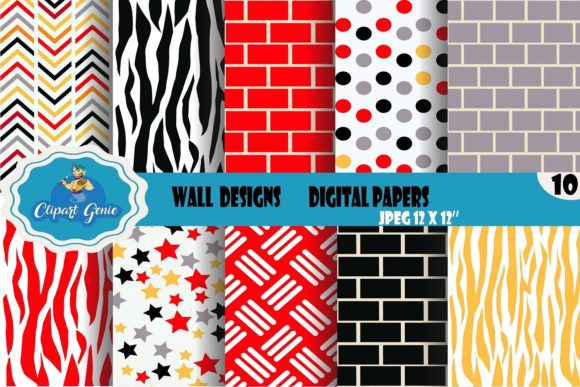
Wall Seamless Patterns: Your All-in-One Creative Toolkit for Crafting Success
Whether you're designing a heartfelt greeting card, stitching a custom embroidery hoop, or assembling a vibrant scrapbook page, the right visual foundation makes all the difference. That’s where Wall Seamless Patterns come in—not as static backgrounds, but as dynamic, versatile design assets engineered for real-world creativity. More than just decorative motifs, these patterns are intelligently crafted to tile effortlessly across any surface, eliminating visible seams, repetition fatigue, or awkward cropping. In this guide, we’ll break down what seamless patterns truly are, why wall-inspired designs hold unique creative power, and how this curated set of 10 high-resolution elements unlocks new possibilities across crafts, digital projects, and small-business ventures.
What Exactly Are Wall Seamless Patterns?
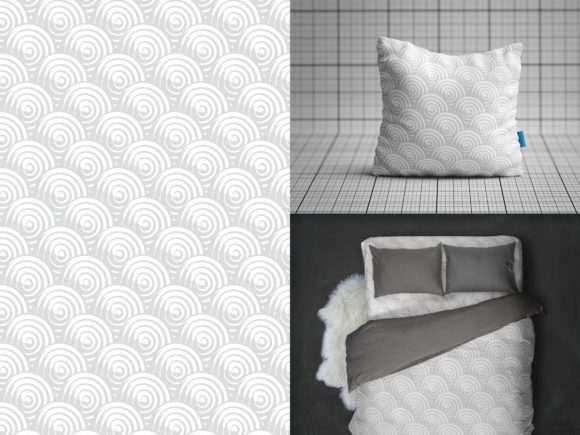
At its core, a seamless pattern is a graphic design element that repeats infinitely—horizontally and vertically—without visible edges, gaps, or misaligned joins. Think of wallpaper: when applied correctly, you shouldn’t see where one tile ends and the next begins. “Wall” in Wall Seamless Patterns doesn’t refer to literal wall coverings alone—it evokes texture, rhythm, scale, and architectural harmony. These patterns borrow visual language from interior design (think subtle brickwork, tonal plaster finishes, geometric tile layouts, or organic stucco variations), but they’re scaled and optimized for craft use—not home renovation.
Unlike clipart or isolated icons, seamless patterns offer context. They provide background depth, tactile suggestion, and stylistic cohesion. A greeting card with a soft linen-textured seamless pattern feels more refined than one with a plain white background. An embroidery template overlaid on a delicate damask repeat adds dimension before a single stitch is made.
Why This Set Stands Out: Quality Meets Practicality
This particular Wall Seamless Patterns collection was built with makers—not just designers—in mind. You’ll receive:
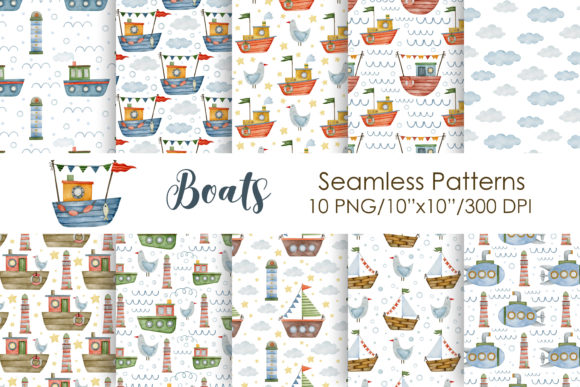
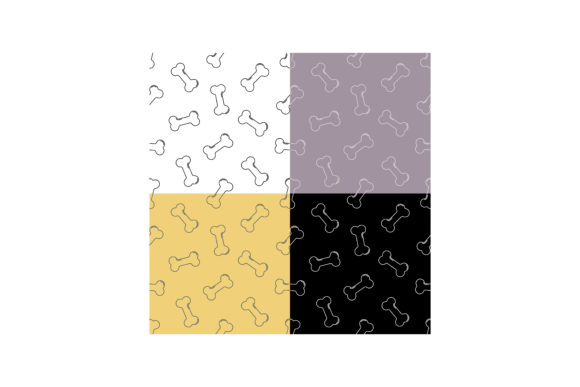
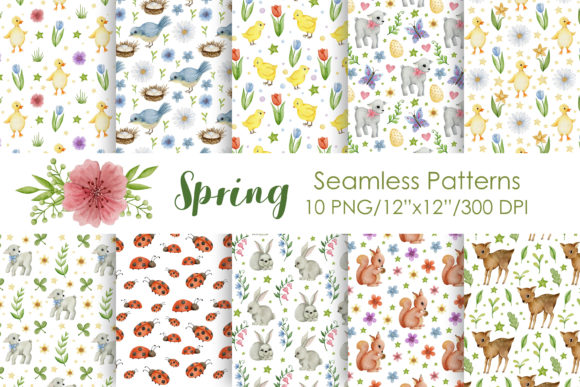
- 10 distinct pattern elements, each thoughtfully composed for visual interest and functional versatility;
- JPEG files with clean, pure-white backgrounds—ideal for quick drag-and-drop use in Canva, Cricut Design Space, Silhouette Studio, or Adobe Photoshop;
- 300 DPI resolution at a generous 3600 × 3600 pixels, ensuring crisp printing for physical crafts like cupcake toppers, gift tags, or scrapbook paper;
- No watermarks, no subscriptions, no hidden layers—just ready-to-use, royalty-free assets.
That resolution isn’t overkill—it’s intentional. At 3600×3600 pixels, each file retains clarity even when enlarged for large-format prints (like 12×12 scrapbook pages) or reduced for tiny details (such as 1-inch cupcake toppers). And because they’re JPEGs with white backgrounds—not transparent PNGs—they integrate instantly into beginner-friendly tools without requiring layer management or background removal.
Real-World Uses: From Hobbyist to Home Business
Let’s move beyond theory and explore how these patterns translate into tangible, joyful outcomes:
- Greeting Cards: Layer a subtle herringbone or concrete-texture pattern behind hand-lettered sentiments. The result? A premium, boutique-style card that stands out in a stack of mass-produced options.
- Embroidery Projects: Print patterns directly onto stabilizer or transfer paper. Their consistent scale helps map stitch density—especially helpful for counted-thread techniques like cross-stitch or blackwork.
- Cupcake Toppers & Party Decor: Resize a floral lattice or minimalist grid pattern to fit 1.5-inch circles. Cut with a die-cut machine or craft punch—no alignment headaches, thanks to the seamless repeat.
- Scrapbooking & Journaling: Use patterns as digital “paper” in hybrid layouts. Blend them with photos using blend modes (e.g., Multiply or Overlay) for rich, dimensional spreads.
- Digital Planners & Printable Kits: Incorporate into weekly habit trackers or goal-setting worksheets. A soft terrazzo pattern adds visual breathing room without distracting from content.
- Small-Business Branding: Boutique stationers, candle makers, or wedding planners can use these patterns to unify packaging, labels, and social media graphics—creating instant brand recognition through consistent texture language.
Dispelling Common Misconceptions
Before diving in, it helps to clarify what isn’t true about seamless patterns—and especially about this set:
- ❌ “Seamless = boring.” Not at all. This collection includes varied styles—from rhythmic linear grids and artisanal plaster textures to botanical repeats and modern geometric abstractions. Variety lives within consistency.
- ❌ “Only designers need them.” False. With intuitive tools like Canva or Cricut Access, anyone can apply these patterns in under 60 seconds—even without design training.
- ❌ “JPEGs limit flexibility.” While transparent PNGs have their place, JPEGs with white backgrounds simplify workflows for print-focused makers. No need to mask, erase, or adjust blending—just insert and scale.
- ❌ “One size fits all.” Actually, scalability is the point. Because each pattern repeats flawlessly, you control how much or how little shows—zoom in for macro texture or zoom out for subtle tone-on-tone effect.
How Wall Patterns Fit Into Today’s Creative Landscape
In an age of algorithm-driven feeds and fleeting attention spans, authenticity and tactility matter more than ever. Handmade goods, personalized keepsakes, and slow-crafted experiences are rising—not declining. Wall Seamless Patterns meet this cultural shift by bridging digital convenience with analog warmth. They let you infuse machine-made precision (like laser-cut toppers or printed cards) with the soulful nuance of material culture—brick, stone, woven fiber, aged plaster.
They also support sustainability in crafting: instead of buying pre-printed paper packs that may go unused, you download once and reuse infinitely across projects. One pattern can become a birthday card, then a fabric stencil, then a website banner background—maximizing value while minimizing waste.
Getting Started: Simple Tips for Best Results
You don’t need advanced software to begin. Here’s how to make the most of your Wall Seamless Patterns set—whether you’re on a laptop, tablet, or smartphone:
- For Canva users: Upload files to your “Uploads” tab. Insert as an image, then click “Position” → “Background” to fill the entire canvas—or resize freely for partial coverage.
- For Cricut Design Space: Upload as “Print Then Cut” images. Adjust size precisely using the ruler tool—no distortion, thanks to the high-res source files.
- For scrapbookers: Print patterns on premium cardstock (110 lb or higher) for durability. Pair with matte finishes to enhance texture perception.
- Pro tip: Try layering two patterns at low opacity (e.g., 15–30%) for custom composite textures—like marble over linen or concrete over wood grain.
And remember: there’s no “wrong” way to use them. Rotate a pattern 45° for fresh energy. Flip it horizontally to change flow direction. Use only a corner fragment as a focal accent. Creativity thrives on experimentation—not rigid rules.
Final Thought: Patterns Are More Than Decoration—They’re Connection
At first glance, Wall Seamless Patterns may seem like simple digital files. But look deeper: they’re quiet enablers of expression, bridges between idea and object, and subtle storytellers in every handmade item you create. They echo the human desire for rhythm, balance, and beauty—principles found in everything from ancient mosaic floors to modern UI design.
So whether you’re preparing a child’s birthday party, launching a side-hustle, or simply unwinding with colored pencils and glue, these 10 patterns are more than pixels on a screen. They’re invitations—to play, refine, share, and make meaning, one seamless tile at a time.
Happy Crafting.