Jack Bean Stack Seamless Patterns: Thoughtful Design for Real Creative Work
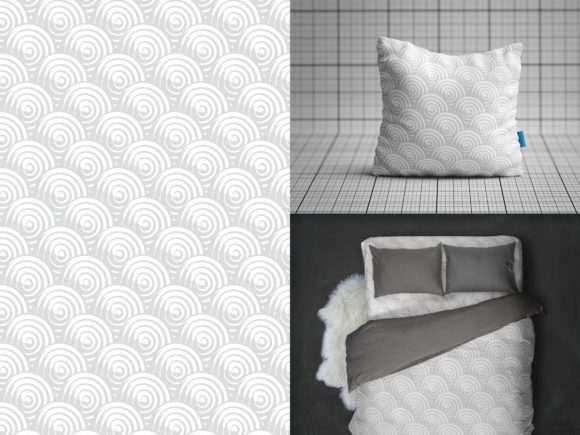
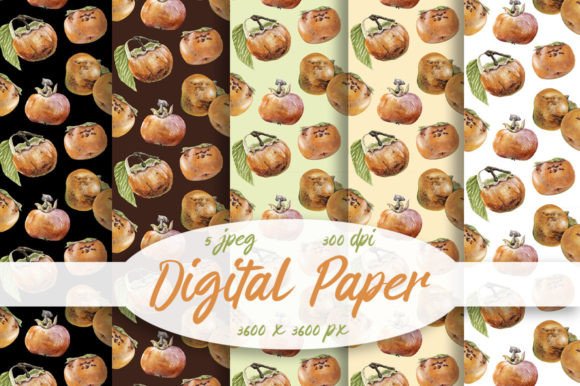
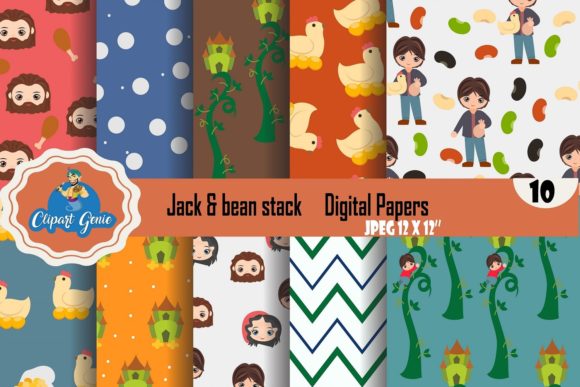
Seamless patterns aren’t just background filler—they’re quiet enablers of intentionality in design. The Jack Bean Stack Seamless Patterns set reflects a growing shift among makers and professionals: choosing assets that work *with* their process, not against it. These aren’t generic repeats or overused motifs. They’re carefully composed, scalable, and purpose-built for clarity and versatility—starting with clean white backgrounds, high-resolution fidelity (300dpi at 3600×3600 pixels), and ten distinct elements that tile without visual interruption.
Why Seamless Matters—Beyond Aesthetics
“Seamless” sounds technical, but its value is deeply practical. When you’re designing greeting cards for a small business, prepping embroidery files for a client, or assembling layered scrapbook pages, visible seams break immersion. They force extra editing time—cropping, blending, adjusting opacity—just to make a pattern feel cohesive. That friction adds up, especially when juggling multiple projects or tight deadlines.
The Jack Bean Stack Seamless Patterns set eliminates that step. Each JPEG is built to repeat edge-to-edge without distortion or misalignment. That means you can scale a single element across an entire card front, wrap it around a cupcake topper die-cut, or use it as a subtle texture behind hand-lettered text—all without second-guessing the join lines. It’s infrastructure disguised as decoration.
Designed for Today’s Hybrid Creative Workflow
Modern creators rarely stick to one medium. A graphic designer might also run a craft-based Etsy shop. A teacher preparing classroom materials may stitch fabric banners *and* print illustrated lesson handouts. An entrepreneur launching a boutique brand needs consistency across packaging, social posts, and physical products. That cross-medium reality demands digital assets that transition smoothly—from screen to stitch to paper.
This set supports that fluidity. The white background isn’t just aesthetic—it’s functional. It allows effortless layering in design software (like Adobe Illustrator or Canva), direct import into embroidery digitizing tools (where contrast matters for auto-tracing), and clean printing on both light and pastel cardstocks. No need to manually remove backgrounds or adjust contrast levels before production. That reliability saves minutes per project—and hours over a season.
From Greeting Cards to Cupcake Toppers: Use Cases That Reflect Real Needs
Consider how these patterns integrate into everyday creative decisions:
- Greeting cards: A single Jack Bean Stack element can serve as a full-page background for a birthday card—or be scaled down to frame a sentiment in the corner. Its consistent resolution ensures crisp printing, even on textured linen paper.
- Embroidery: When converted to DST or PES format, the clean edges and balanced negative space translate well to stitch density. Designers report fewer thread breaks and smoother fill coverage compared to busier, lower-contrast patterns.
- Cupcake toppers: Small-scale cutouts benefit from patterns that read clearly at 1.5 inches wide. The Jack Bean Stack motifs hold definition without visual clutter—ideal for food-safe printed circles or foil-stamped tags.
- Scrapbooking: Layering digital patterns over scanned photos or handwritten journaling works best when opacity and scale are predictable. These files respond consistently to blending modes like Multiply or Overlay, letting paper crafters build depth without trial-and-error.
What ties these uses together isn’t novelty—it’s predictability. In a landscape where free resources often sacrifice resolution, licensing clarity, or adaptability, this set offers constraints that empower rather than limit.
How Pattern Preferences Have Shifted—Subtly but Significantly
Five years ago, bold, maximalist patterns dominated craft marketplaces. Today, there’s a quieter emphasis on balance—patterns that support, rather than compete with, content. This mirrors broader shifts: the rise of “quiet luxury” in branding, increased attention to cognitive load in digital interfaces, and a renewed appreciation for tactile nuance in physical goods.
The Jack Bean Stack Seamless Patterns align with that evolution. They’re detailed enough to feel intentional, but restrained enough to recede gracefully behind typography or stitching. There’s no forced whimsy or exaggerated trend-chasing—just considered rhythm, organic spacing, and botanical-inspired structure rooted in the jack bean motif (a nod to growth, connection, and grounded repetition).
That subtlety resonates with professionals who curate brand experiences—not just decorate them. A wedding planner selecting stationery patterns cares about how the motif feels alongside calligraphy and envelope liners. A homeschool educator choosing printable planners wants visuals that aid focus, not distract from learning objectives. The strength of this set lies in its restraint.
Practical Tips for Getting the Most From Your Files
You’ll receive ten JPEG files—each 3600×3600 pixels at 300dpi, with white backgrounds. Here’s how to use them intentionally:
- Start with scale: Before importing into your design tool, decide whether you need the pattern to act as a background, border, or focal accent. Resizing early avoids pixelation later—especially important for print-on-demand services or laser-cut templates.
- Test contrast in context: Drop the pattern over a photo or scanned sketch. Adjust brightness or apply a slight Gaussian blur if needed—but avoid heavy filters. These files are optimized for clarity, not dramatic effects.
- Respect the repeat: If using in vector software, convert the JPEG to a pattern swatch first. That preserves seamless tiling and gives you control over spacing and offset—critical for embroidery layouts or fabric mockups.
- Think beyond the rectangle: These elements work beautifully inside circular frames (for stickers or badges) or clipped to custom shapes (like leaf silhouettes for nature-themed projects). Their symmetry makes them forgiving in non-standard crops.
And because they’re delivered as JPEGs—not layered PSDs or proprietary formats—they’re immediately compatible with nearly every platform used by educators, freelancers, and small-business owners: Cricut Design Space, Silhouette Studio, Procreate, Google Slides, and even basic word processors for printable worksheets or lesson plans.
Not Just Another Digital Download—A Tool With Longevity
In an era where digital fatigue is real, creators increasingly favor assets that reduce decision fatigue—not add to it. The Jack Bean Stack Seamless Patterns set doesn’t ask you to learn new workflows or navigate complex licensing tiers. It delivers what it promises: ten usable, high-fidelity, seamlessly repeating elements—ready to drop into your next project.
That simplicity is strategic. It respects your time. It assumes competence—not confusion. And it leaves room for *your* voice to lead, whether you’re hand-lettering a thank-you note, prototyping packaging for a new product line, or illustrating a children’s book chapter. The pattern doesn’t shout; it holds space.
Happy crafting isn’t about having more options. It’s about having the right ones—clear, reliable, and quietly thoughtful. That’s the quiet strength of this collection.